Professor of Urology
Chief, Division of Reconstructive Urology
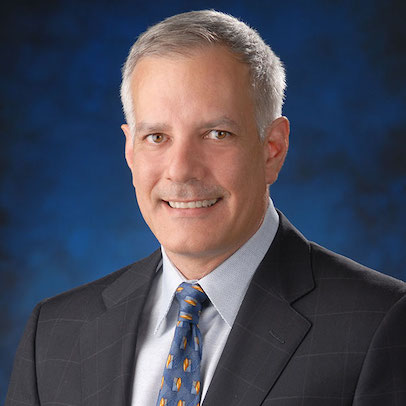
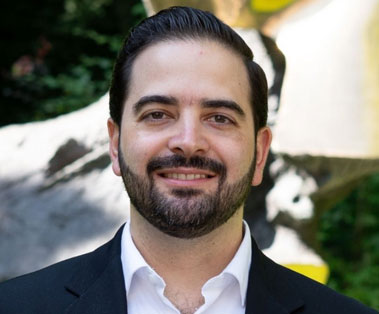
Dr. Gelman is a Professor of Urology and the Chief of the Division of Reconstructive Urology at the University of California, Irvine. Dr. Gelman completed his Urology Residency at the UCLA Medical Center in 1995 and a Fellowship in Adult and Pediatric Male Genitourinary reconstruction at the Devine Center in Norfolk, Virginia under Dr. Gerald Jordan in 1997. He has performed over 2,000 urethral-penile reconstructive surgeries at UC, Irvine over the past 26 years. Dr. Gelman is the founder of a Society of Genitourinary Reconstructive Surgeons (GURS) approved Endowed Fellowship program in Male GU Reconstruction at UC, Irvine, the Eric S. Wisenbaugh Fellowship. He has served on the Board of Directors of the GURS and is actively involved in International Outreach as a mentor in Vietnam, Thailand, and other countries. His research interests include both clinical research in urethral stricture disease and R01 NIH Funded Urethral Tissue Engineering basic science research. He has been an invited speaker nationally and internationally, having been asked to present and teach in 14 countries about male reconstructive surgery. His publications have described new surgical instrumentation including the first direct vision balloon dilator that now is used with a drug coating to treat urethral strictures (Optilume), the direct vision posterior urethral sound, new combination flap-graft urethroplasty techniques, and the double-faced buccal graft urethroplasty. In 2024, Dr. Gelman was the recipient of the Distinguished Member Award for the Western Section of the American Urological Association for 2025.
Dr. Keith Rourke
Professor of Urology Reconstructive Urologist
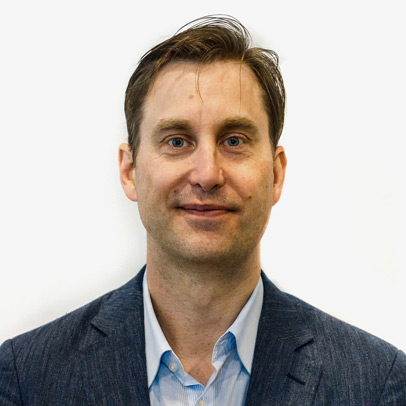
Keith Rourke is Professor of Urology and a Reconstructive Urologist. He received his Bachelor in Science from the University of New Brunswick, his Doctor of Medicine from Dalhousie University and completed his urology residency training at the University of Alberta. In 2003, he completed fellowship training at the Devine Centre for Genitourinary Reconstruction in Norfolk, Virginia. Dr. Rourke provides state-of-the-art care to patients requiring reconstruction of the genitourinary tract, treatment of complications after prostate cancer therapy, and complex surgery for male sexual dysfunction. Dr. Rourke has over 125 peer reviewed publications and has been invited to lecture nationally and internationally on topics related to reconstructive urology. Dr. Rourke also has broad expertise in surgical education garnered from experiences as residency program director, surgical clerkship coordinator, fellowship director, and medical school course coordinator. He has received over 25 teaching awards. Dr. Rourke has chaired several national and international professional committees, including Chair of the Royal College of Physicians Surgeons of Canada Specialty Committee in Urology, Chair of the Canadian Urological Association Post-Graduate Training Committee, Co-Chair of the Canadian Urological Association Scientific Committee, Chair of the Society of Genitourinary Reconstructive Surgeons Fellowship Committee, past-Chair of the Canadian Undergraduate Urology Committee (CanUUC) and Past-President of the Society of Genitourinary Reconstructive Surgeons (GURS).
Teaching Faculty
Length of Fellowship Program
1 year (optional 2 years with an enhanced and expanded research and clinical experience)
Fellowship Overview
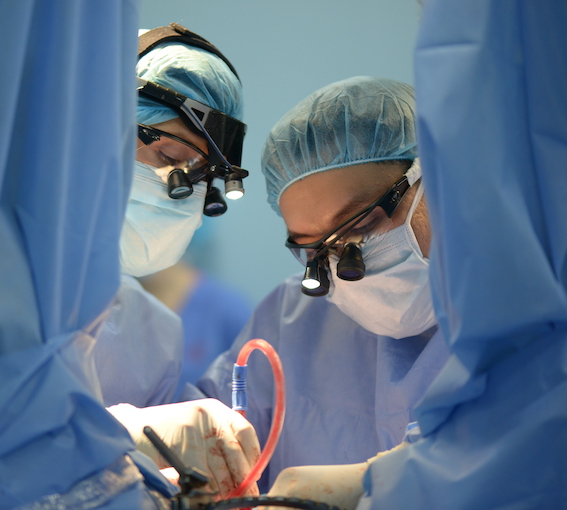
The Endowed Eric S. Wisenbaugh GURS Fellowship in Reconstructive and Prosthetic Urology at UC Irvine is a one-year clinical Fellowship located in idyllic Orange County California emphasizing urethral and genital reconstructive surgery including penile curvature correction surgery and hypospadias repair, penile prosthesis surgery, Men’s health, bladder and upper tract reconstruction, male incontinence treatment, and cancer survivorship. NIH-funded tissue engineering research is also provided for those pursuing a two-year program.
Fellowship History
More Information
Past Fellow Achievements
2014-2015
Dr. Justin DeGrado
Captain US Navy, Fellowship sponsored by the Navy to prepare Dr. Degrado to serve in a Reconstructive Urology leadership role, including the Navy Urology Residency Program
2015-2016
Dr. Eric S. Wisenbaugh
Assistant Professor,
University of Oklahoma (deceased)
2016-2017
Dr. Kristi Hebert
Private Practice Atlanta, Georgia 2016-7
2018-2019
Dr. James Furr
Assistant Professor,
University of Oklahoma
2019-2020
Dr. Aron Liaw
Assistant Professor, Wayne State University
2020-2021
Dr. John Barnard
Assistant Professor,
University of West Virginia
2021-2023
Dr. David Barham
Major US Army.
Dr. Barman was sponsored for a 2-year Fellowship in preparation for a
leadership position in the US Army. He is now
Faculty at Brooke Army Medical Center. His 2-year experience included 109 urethroplasty cases, 111 penile implant cases, 34 genital reconstructive
surgeries, 26 publications, and 8 AUA presentations
2023-2024
Dr. Babak Azad
Assistant Professor, Tulane University
2024-2025
Dr. Jeffrey Lee
Current Fellow, anticipated post-Fellowship position, Assistant Professor, Stony Brook, New York
2025-2026
Dr. Seth Thomas
anticipated
post-Fellowship position, Assistant Professor,
University of Michigan Sparrow Hospital
2025-2027
Dr. Jonathan Badin-Castro
HS Assistant Clinical Professor/ Fellow
2026-2027
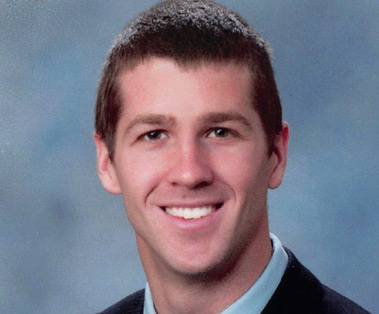
Dr. Sikai Song
HS Clinical Instructor/Fellow
2026-2027
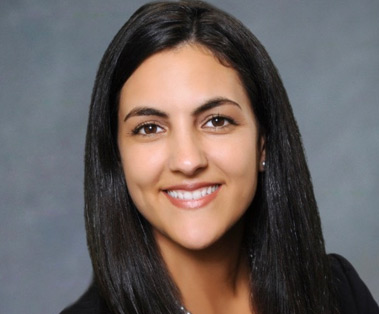
Dr. Rachel Locke
HS Clinical Instructor/Fellow
2026-2027
Dr. Narmina Khanmammadova
Onder
Jr. Specialist/LIFT Fellow
2026-2027
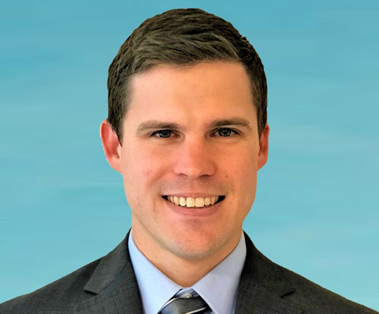
Dr. Christopher Sleiman
Jr. Specialist/LIFT Fellow
2026-2027
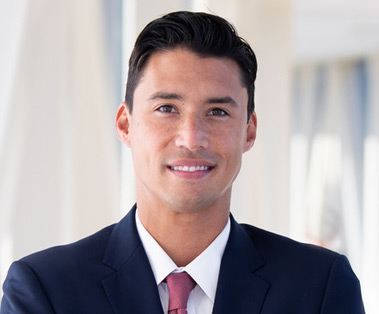
Dr. Cole Wagen
Jr. Specialist/LIFT Fellow
2026-2028
Dr. Asef Aziz
HS Clinical Instructor/ Fellow
Training Volume & Scope
Procedure Type
Volume
Key Techniques
Urethral Imaging
200+ *
Retrograde urethrograms, cystourethrograms
Urethral Reconstruction
80+ *
Includes complex cases
Graft Harvesting
50+ *
Buccal, lingual mucosa, split-thickness skin
Penile Implant Surgery
80+
Includes complex revision cases
Ureteral & Bladder Reconstruction
30+ *
Includes complex cases, cancer survivorship, revision cases
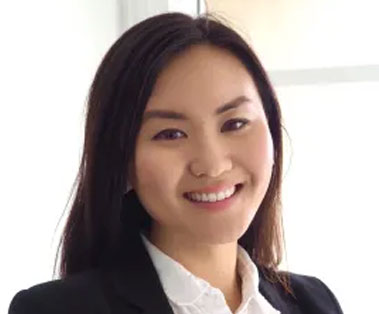
*Current and past-case logs represent an underestimation of the urethral-genital and upper tract reconstructive surgery case volume that is anticipated starting in July 2025. Our Faculty expanded 2-years ago with the addition of Dr. Zhina Sadeghi, who is Fellowship Trained and experienced a rapid growth in abdominal and upper tract reconstructive surgery volume. Dr. Sadeghi’s case volume does not include penile or urethral reconstructive surgery and therefore, her clinical focus is predominantly abdominal and upper tract cases, which will be supported by a Presidential Endowed Chair.
In addition, Dr. Keith Rourke will join our Fellowship Program in July 2025 as a Program Co-director, and it is anticipated that our urethroplasty and genital surgery case volume will double.
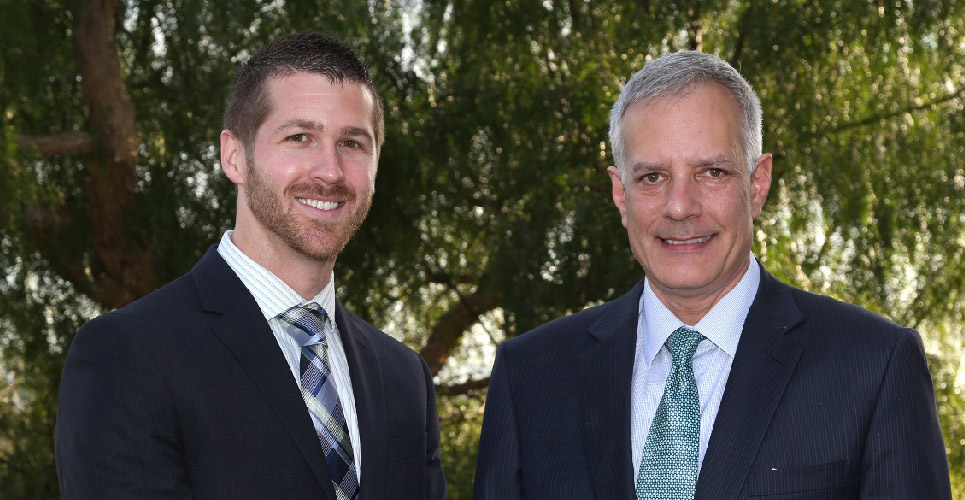
Dr. Eric S. Wisenbaugh and Dr. Joel Gelman
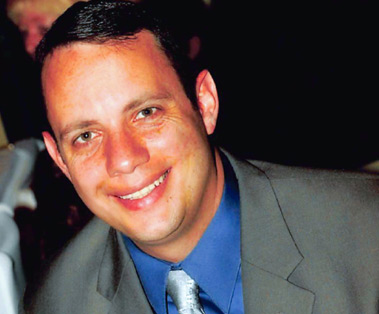
Dr. Eric S. Wisenbaugh was a Male Reconstructive Urologist who completed his GURS Fellowship training in Reconstructive and Prosthetic Urology at the University of California, Irvine, in 2017. He then relocated to Oklahoma with his wife and 2 small children to join the Faculty at the University of Oklahoma and to become the first Fellowship trained Reconstructive Urologist in Oklahoma to help men who suffer from the conditions we treat at our Center. Several months after beginning his career, he was diagnosed with an aggressive form of brainstem cancer. After surgery, radiation, and chemotherapy, he passed away in 2018.
Dr. Wisenbaugh was a gifted physician and surgeon who was the perfect example of what we seek in those who receive their training at our Center. To honor Dr. Wisenbaugh, our Fellowship in Male Reconstructive Urology is named after him, and a $1,000,000 Endowment was established to support the Eric S. Wisenbaugh Fellowship in perpetuity. This endowment ensures that our Fellows will have the support needed to allow them to focus on their training without needing to take General Urology call or perform clinical duties outside of the scope of the Fellowship training. In addition, philanthropic support provides our Fellows with access to a Full-time research coordinator and funding to support Academic productivity.